
What buy now, pay later is
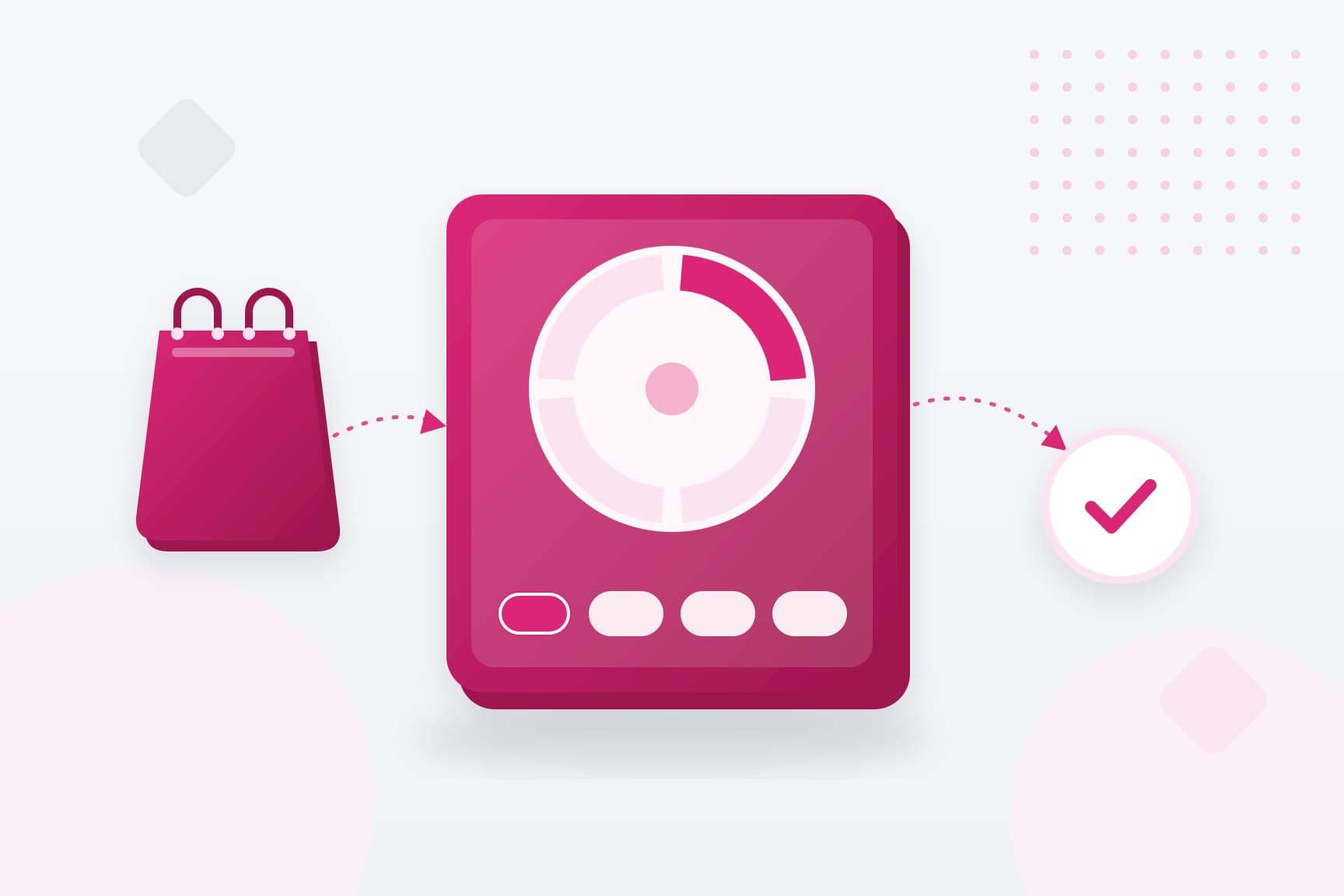
Buy now, pay later is a short-term way for a shopper to pay for something over time. The customer chooses it at checkout, much like choosing a card or PayNow. The provider checks them, approves the purchase and sets out a schedule of instalments. The customer then repays the provider, not you.
Here is how a typical purchase goes:
- The customer picks pay later at your checkout or tells your staff at the counter.
- They confirm the purchase in the provider's app, which checks whether they qualify.
- The provider approves it, and your system shows the payment as successful.
- You hand over the goods or deliver the service, as with any paid sale.
- The provider pays you for the sale, less its fee, and collects the instalments from the customer.
Most plans split the price into a small number of equal payments, often with no interest if the customer pays on time. Late payments usually carry a fee. The exact terms belong to the provider and can change, so check its own page for them rather than repeating them to customers.
A credit card instalment plan works differently. There, the customer's bank converts a card purchase into instalments, and you are paid as for any card sale. With BNPL, the customer needs no credit card, and the pay later provider stands between you and the customer.
How buy now, pay later works in Singapore
MAS does not regulate BNPL firms. Instead, the firms operating in Singapore have committed to a BNPL Code of Conduct, which was developed under MAS guidance with the Singapore FinTech Association. Providers are audited against it and accredited. Under the code:
- Only customers aged 18 and above can use BNPL.
- A provider cannot give a customer a spending limit above a set level without further credit checks, including a check with a BNPL credit bureau. The bureau lets providers see what a customer owes to other accredited firms.
- A customer's account is suspended once a payment is overdue.
- Late fees are capped and disclosed clearly, and outstanding amounts carry no compound interest.
- Advertisements must be clear, disclose fees and late charges, and never imply that BNPL is risk-free or suitable for everyone.
The provider is the one bound by these rules. They matter to a business all the same, because the provider's checks decide which of your customers can pay this way. A suspended customer cannot use it until they have paid what they owe. The rule on advertising is worth copying in your own marketing: say that pay later is available, and leave the terms to the provider.
What it means for your business
Pay later suits some sales well and others not at all, so weigh what you gain against what it costs.
What you can gain:
- Larger purchases become easier. A customer who hesitates at a full price may buy when it is split into smaller payments.
- You reach customers who prefer not to use a credit card, or who do not have one.
- Shoppers who already use a pay later app may look for it, and some providers list their partner shops in the app.
- You are paid for the sale by the provider, and the customer's repayments are the provider's concern.
What it costs you:
- A fee on each sale. It is set in your contract and is often higher than for a card payment, so compare it with what you would pay for the same sale by card.
- Refunds take more steps. When you refund a pay later purchase, the provider adjusts the customer's remaining instalments, so returns policies need to be clear at the till.
- Another set of rules for staff to learn, and another line in your reports to reconcile.
- Some purchases are a poor fit, such as low-value everyday items, where the fee weighs more than any gain in sales.
Which businesses offer it, and a checklist before you start
Pay later tends to work where purchases are larger and less frequent, and where customers compare before buying. Fashion and beauty shops, electronics and furniture stores, salons, clinics offering elective treatments, fitness studios and course providers often offer it. A food stall or a convenience shop usually gains little.
Before you sign up, put these questions to yourself and to the provider:
- Order size: what is your typical sale, and would splitting it change what customers buy?
- Customers: do they ask for pay later, or already use a pay later app?
- Cost: what is the fee on each sale, and how does it compare with your card costs on the same sale?
- Settlement: when does the money reach your bank, and is it paid in full for each sale?
- Refunds: how does a full or partial refund work, and who tells the customer?
- Disputes: if a customer says the goods never arrived, who handles it?
- Where it works: online, at the counter, or both, and on which devices?
- Reports: can you see pay later sales next to your other payments?
- Marketing: what may you say about it in your shop and online, and what must you leave to the provider?
To test the fee, take last month's larger sales and work out what they cost you by card. Then apply the pay later fee to the same sales. The difference is what pay later has to earn back in extra or larger sales.
How to offer buy now, pay later
You have two main routes.
The first is to sign up with a pay later provider directly. You get its own merchant account, its own dashboard and its own settlement. That works if you need one provider and are happy to run it beside your other payments.
The second is to take pay later through your payment provider, as one of the methods at your checkout and on your terminal. You sign one set of terms, onboarding covers it, and the sales appear in the same reports as your card and QR payments. You still get the provider's checks and the instalments for your customers, and your staff take the payment the way they take any other.
Whichever route you choose, a few steps help:
- Tell customers before they reach the till. A short line on the product page or at the counter is enough.
- Show staff how a pay later payment looks on the terminal and what to do when it is declined.
- Write your refund steps down, including partial refunds.
- Check the first few settlements against your sales, so you know how pay later appears in your accounts.
Taking pay later with ONE
ONE offers Atome among its payment methods, so a customer can choose to pay later wherever they pay you.
- At the counter: on a ONE terminal, you enter the amount and the customer chooses Atome. They give their mobile number and approve the purchase with Atome, and the terminal shows the result. Our payment terminals take cards and QR payments on the same device.
- Online: Atome sits on ONE's hosted checkout next to cards, PayNow and wallets. The customer selects it, adds their mobile number and finishes the purchase with Atome.
- Afterwards: Atome payments sit with your card and QR payments in the merchant portal, with your transactions and settlement reports and an export for your accounts. Refunds are made from the merchant portal or the terminal app.
The methods available to you depend on your device and type of business, and the final list is confirmed during onboarding. Settlement typically comes the day after the transaction, and timing varies by payment method. ONE does not hold funds: payment services are provided through licensed payment partners, subject to their approval and terms. Support comes from a team based in Singapore.
If you are still choosing a device, our guide on how to choose a payment terminal compares the options. To find out what pay later would cost for your sales, ask us for a quote.